 Business License
How to Choose the Right Mini Excavator for European Projects (2026 Guide)
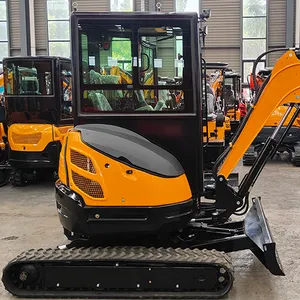
Mini excavators have become essential machines across Europe, especially for construction, landscaping, agriculture, and municipal work. With narrow streets, strict environmental regulations, and diverse terrain, choosing the right compact excavator is not always straightforward.
This guide explains how to select the best mini excavator for your needs in Europe, focusing on performance, compliance, and cost efficiency.
1. Why Mini Excavators Are Popular in Europe
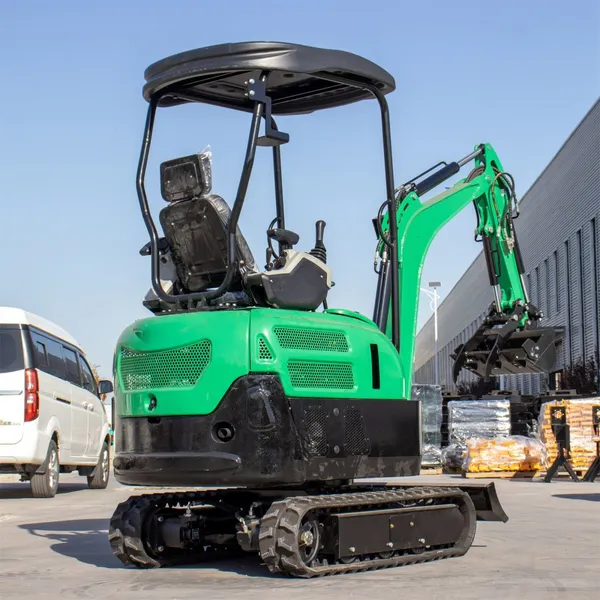
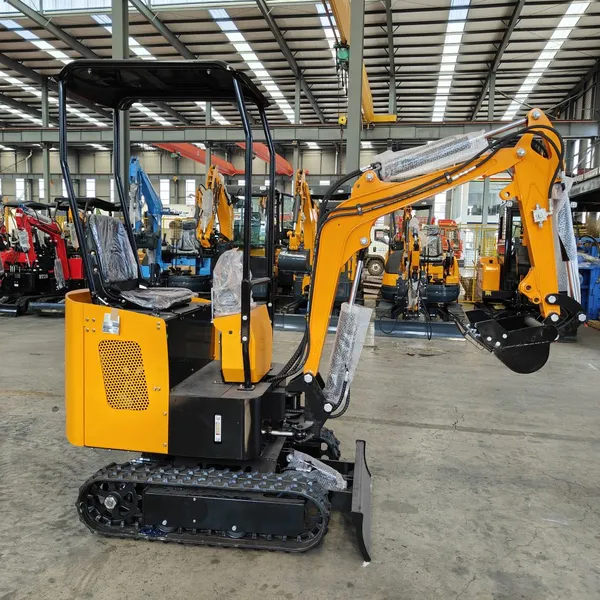
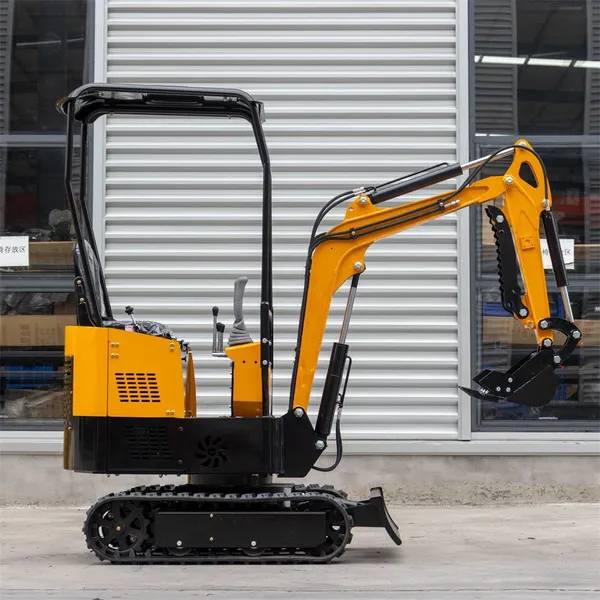
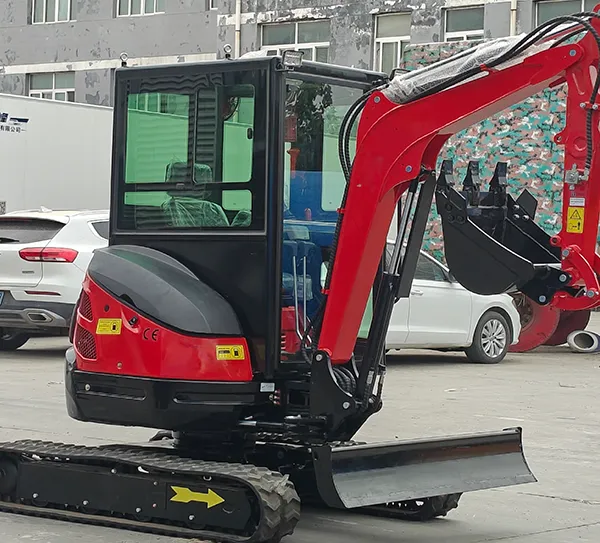
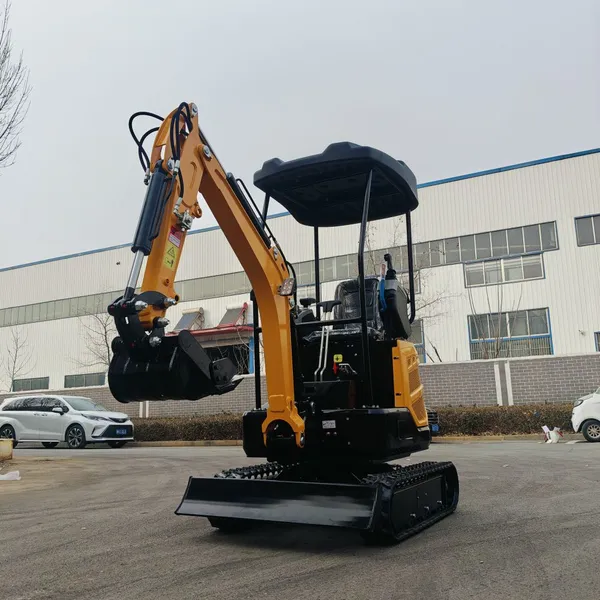
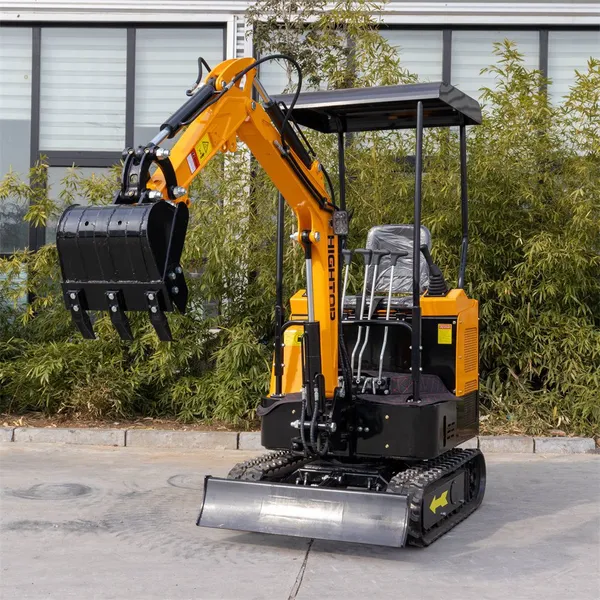
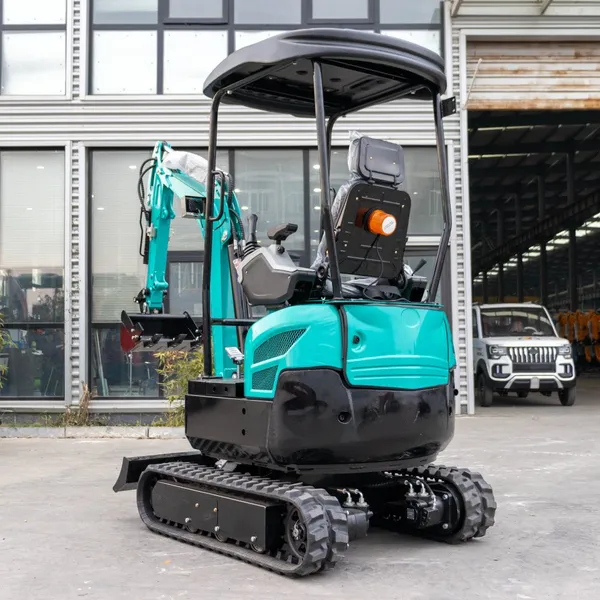
Mini excavators (0.8–3.5 tons) are widely used in Europe due to their flexibility and compact size. They are ideal for:
Working in tight urban spaces
Garden and landscaping projects
Small construction sites
Agricultural applications
Compared to larger machines, they are easier to transport and consume less fuel, making them cost-effective for small and medium businesses.
2. Key Factors to Consider Before Buying
Engine and Power
European customers often prefer reliable engines such as Kubota or Yanmar due to low noise and fuel efficiency. For example, engines like Kubota D722 or D1105 are widely accepted.
Compliance (CE Certification)
CE certification is essential for selling and operating machinery in Europe. Without it, machines may face import or legal issues.
Hydraulic System
A full hydraulic system with load-sensing valves ensures smooth operation and better control, especially for precision work.
Attachments Compatibility
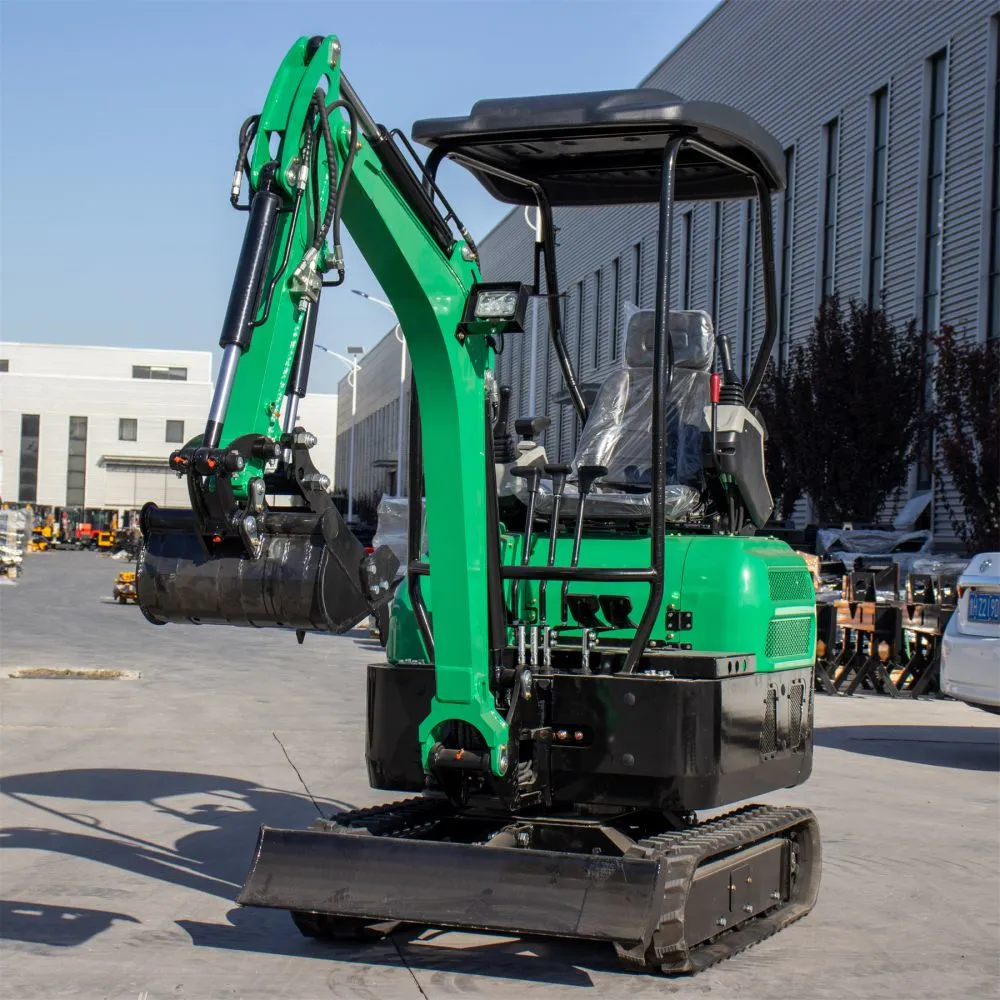
A good mini excavator should support multiple attachments such as:
Buckets
Augers
Grapples
Breakers
This increases machine versatility and ROI.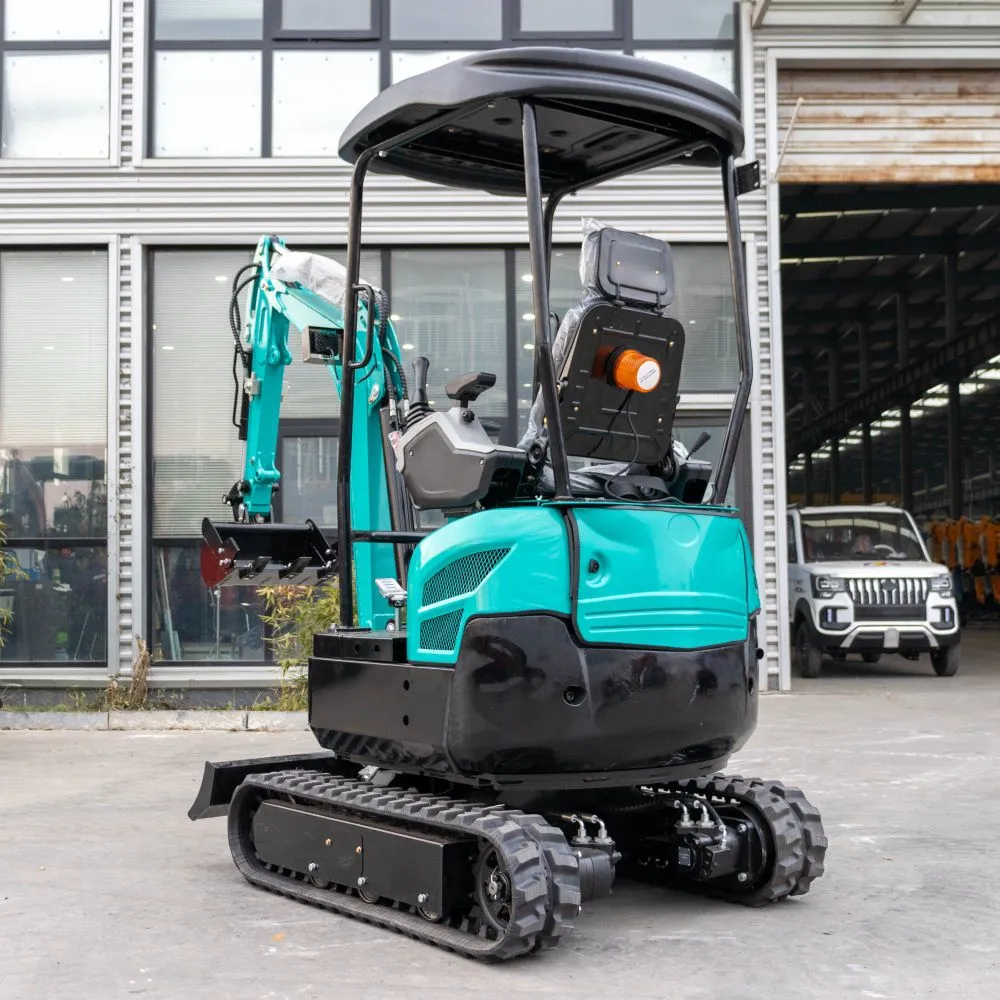
3. Choosing the Right Tonnage
Selecting the correct size is critical:
0.8–1 ton: Ideal for indoor or very narrow spaces
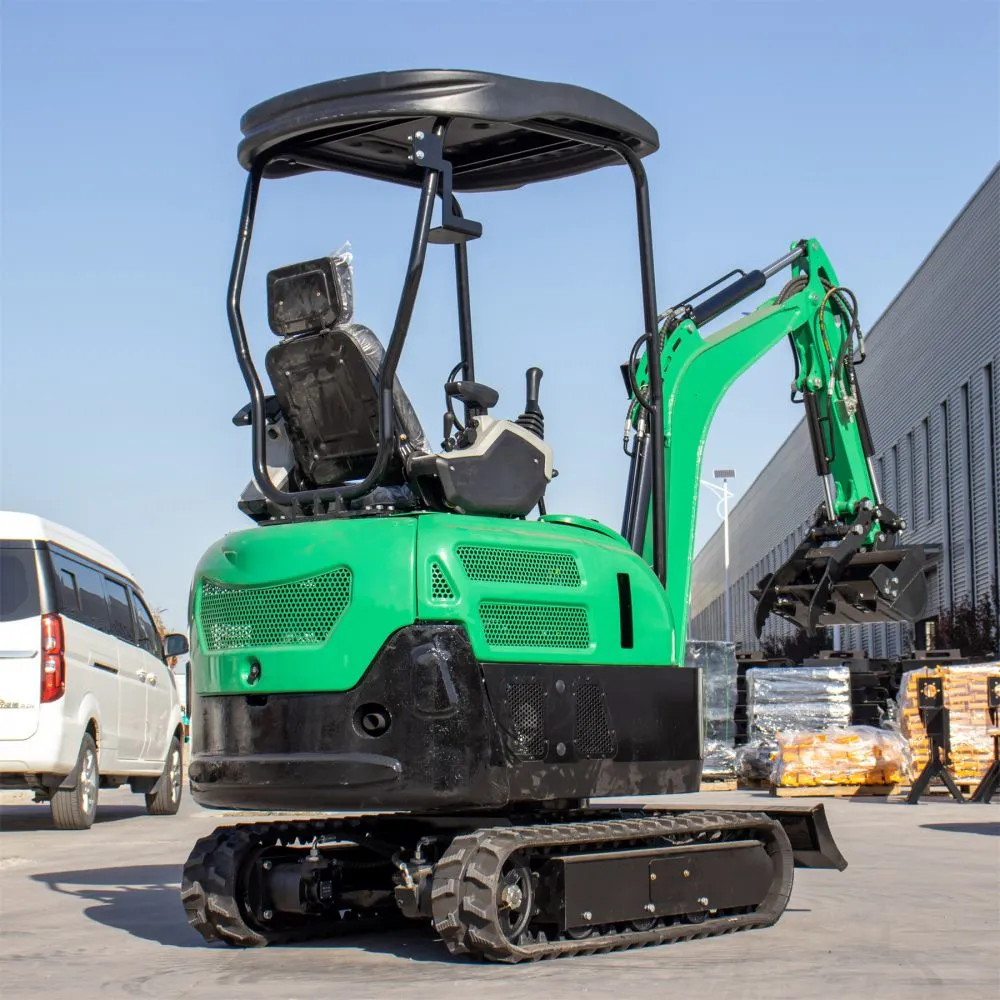
1.5–2 ton: Best balance for landscaping and small jobs
2.5–3 ton: Suitable for construction and heavier work
For most European buyers, 1.8–2.5 ton models are the most popular choice.
4. Cost vs Value: What Really Matters
Many buyers focus only on price, but long-term value is more important. Consider:
Fuel consumption
Maintenance cost
Spare parts availability
Machine durability
A slightly higher upfront cost can result in lower total ownership cost over time.
5. Common Problems Buyers Face (and Solutions)
Problem 1: Machine does not meet EU standards
→ Solution: Always confirm CE certification and documentation
Problem 2: Difficult maintenance
→ Solution: Choose models with simple structure and accessible parts
Problem 3: Limited applications
→ Solution: Ensure attachment compatibility before purchase
Conclusion
Choosing the right mini excavator in Europe is not just about price—it is about compliance, efficiency, and adaptability. By selecting the correct size, reliable engine, and compatible attachments, you can maximize productivity while minimizing costs.
If you are planning to invest in a compact excavator, take time to evaluate your working conditions and long-term needs.
Recently Posted
-
How a Compact Mobile Crusher Helps Reduce Construction Costs and Improve Recycling
July 2, 2026The construction industry is increasingly focusing on efficiency, sustainability, and cost control. Every demolition or renovation Read More
 -
How a Compact Mobile Jaw Crusher Helps Reduce Concrete Waste Disposal Costs on Small Job Sites
June 25, 2026How a Compact Mobile Jaw Crusher Helps Reduce Concrete Waste Disposal Costs on Small Job SitesFor many contractors, builders, and Read More
 -
Why the LUYUE JC430 Mobile Jaw Crusher Is a Smart Choice for Concrete and Construction Waste Recycli
June 25, 2026Why the LUYUE JC430 Mobile Jaw Crusher Is a Smart Choice for Concrete and Construction Waste RecyclingIn many construction, demoli Read More
 -
Top 5 Mistakes to Avoid When Buying a Mini Excavator in Europe
May 24, 2026Buying a mini excavator is a significant investment, especially in the European market where regulations and job conditions can di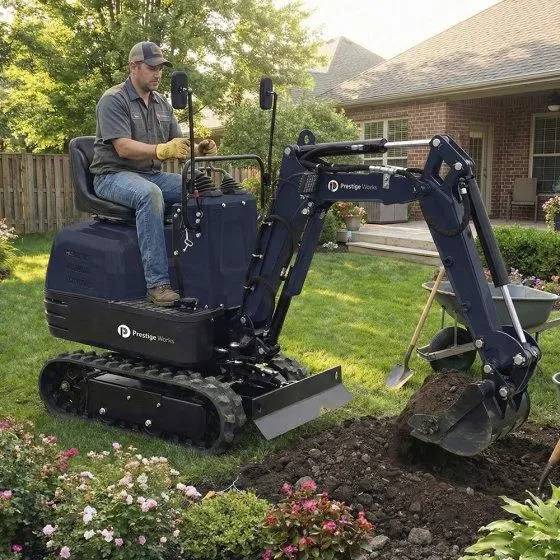 Read More

Contact Us
Recommended Products
-
 Luyue LY510 Mobile Jaw Crusher for Concrete, Stone & Construction Waste RecyclingUS$ 7680MOQ: 1 Set
 -
Luyue 430 Mobile Jaw Crusher for Concrete, Stone & Construction Waste RecyclingUS$ 6600MOQ: 1 Set
-
LUYUE JC510 Tracked Mobile Jaw Crusher for Concrete, Stone and Construction Waste RecyclingUS$ 7680MOQ: 1 Combo
-
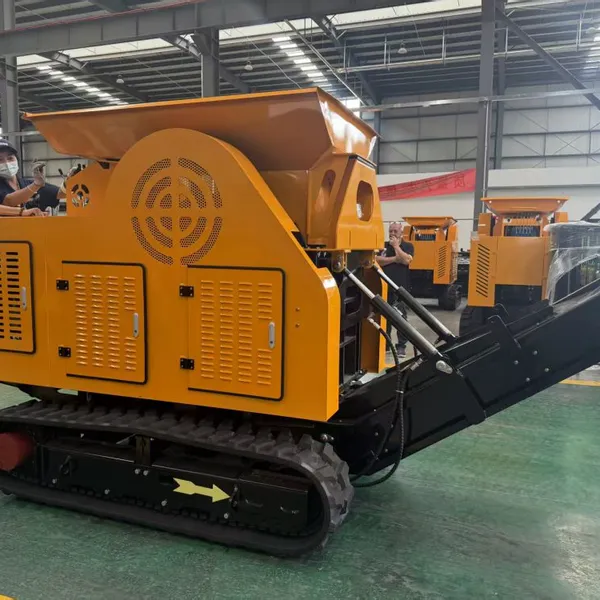
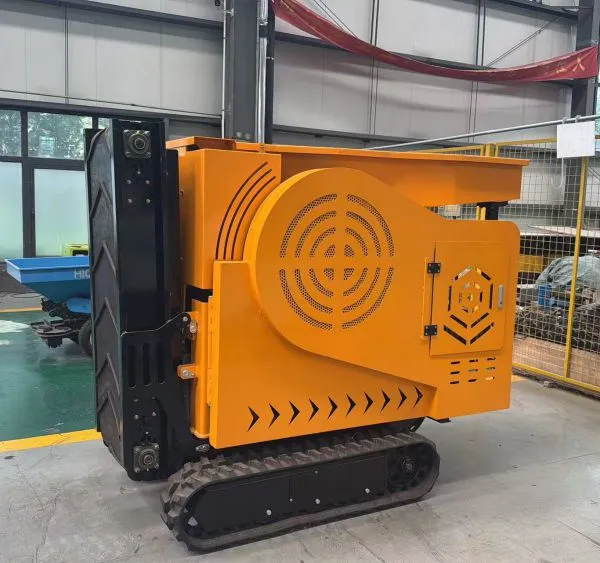
LUYUE JC430 Compact Mobile Jaw Crusher for Concrete, Brick and Construction Waste RecyclingUS$ 6600MOQ: 1 Combo
-
LUYUE LY-20 Premium 2 Ton Mini Excavator Compact Crawler Digger With Canopy for Heavy Duty Garden Farm WorkUS$ 1200 - 2300MOQ: 1 Piece
-
LUYUE LY-30 Zero Tail Swing 3 Ton Mini Excavator Compact Crawler Digger With Enclosed AC Cab for ConstructionUS$ 5240 - 5600MOQ: 1 Piece
-
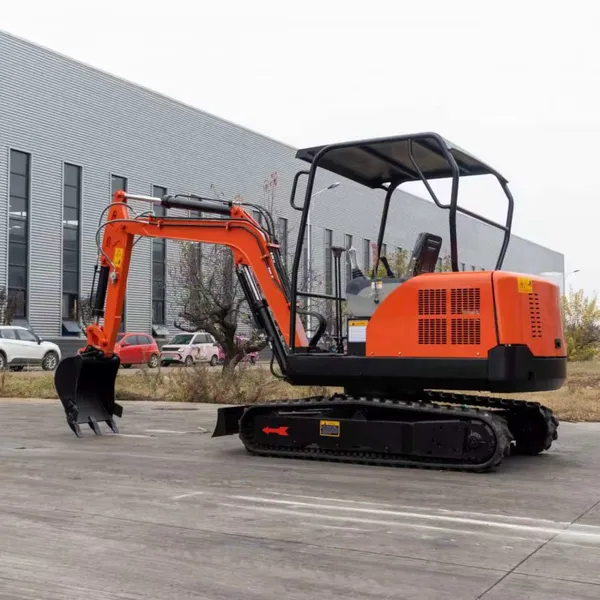
LUYUE LY-20 Minibagger 2 Ton Mini Excavator Short Tail Crawler Digger With Canopy for Construction Landscaping FarmUS$ 2200 - 2300MOQ: 1 Piece
-
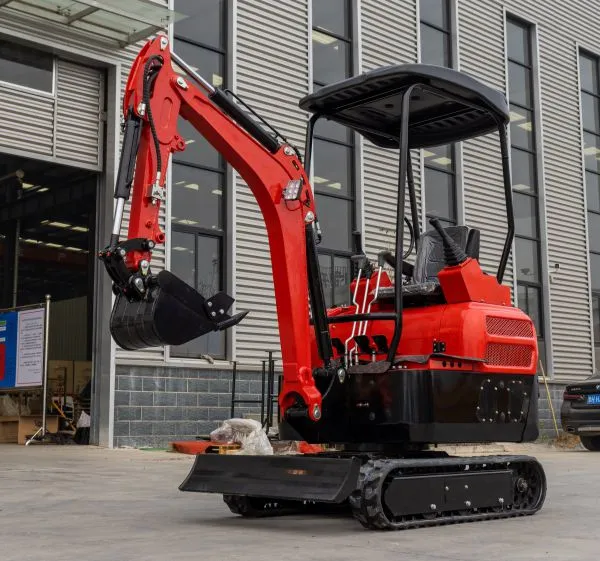
LUYUE LY-12 Minibagger 1.2 Ton Mini Excavator Compact Crawler Digger With Canopy for Garden Farmland WorkUS$ 1200 - 2000MOQ: 1 Piece
-
LUYUE Heavy Duty 1.5 Ton Mini Excavator Zero Tail Crawler Digger With Hydraulic Pilot Joystick for Rental LandscapingUS$ 1200 - 2300MOQ: 1 Piece
-
LUYUE LY-15 Minibagger 1.5 Ton Mini Excavator Compact Crawler Digger With Canopy for Garden Farm WorkUS$ 1200 - 2000MOQ: 1 Piece
-
LUYUE LY-10 Minibagger 1 Ton Mini Excavator Small Digger With Canopy for Garden Farm Construction WorkUS$ 1200 - 2000MOQ: 1 Piece
-
LUYUE LY-10 Minibagger 1 Ton Mini Excavator Small Digger With Canopy for Garden Farm Construction WorkUS$ 1200 - 2000MOQ: 1 Piece
-
LUYUE LY-10 Minibagger 1 Ton Mini Excavator Small Digger With Canopy for Garden Farm Construction WorkUS$ 1200 - 2000MOQ: 1 Piece
-
1.5-Ton Mini ExcavatorUS$ 3000 - 4000MOQ: 1 Piece
-
1.8-Ton Mini ExcavatorUS$ 2200 - 2300MOQ: 1 Piece
-
2.0-Ton Mini ExcavatorUS$ 2200 - 2300MOQ: 1 Piece
-
1.2-Ton Mini ExcavatorUS$ 5240 - 5600MOQ: 1 Piece
-
1.0-Ton Mini ExcavatorUS$ 2200 - 2300MOQ: 1 Piece
-
2.5-Ton Mini ExcavatorUS$ 7800 - 8600MOQ: 1 Piece
-
Luyue 1.2 Ton Mini Excavator for Sale | Compact Digger for Construction & AgricultureUS$ 2400 - 2500MOQ: 1 Unit